
Umm Al Hayman Sets New Benchmark for Kuwait’s Wastewater Treatment Projects
-
June 12, 2025
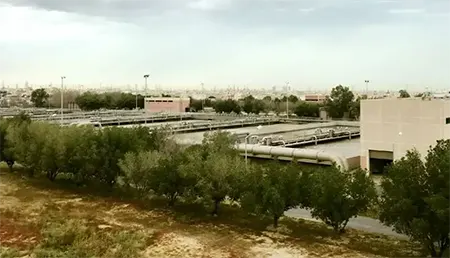
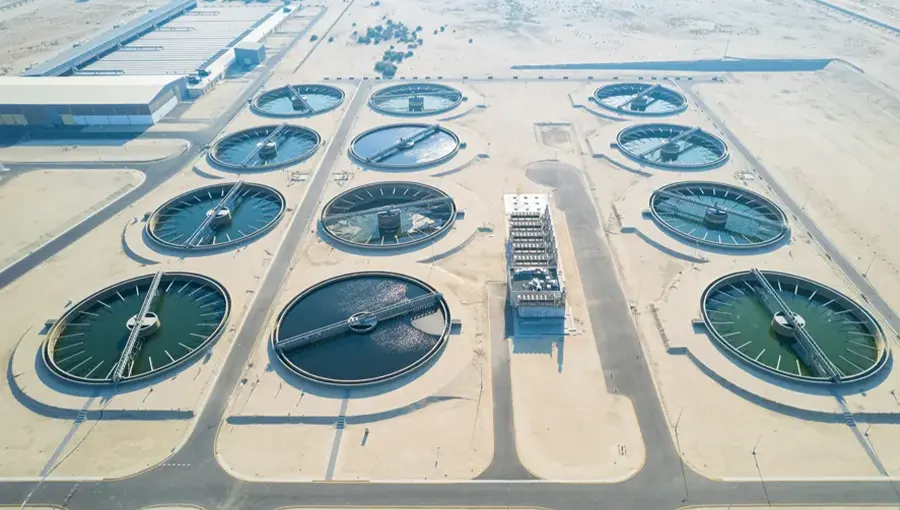
The Umm Al Hayman Wastewater Treatment Plant is emerging as an important reference point for the future of wastewater infrastructure and public-private partnership (PPP) projects in Kuwait.
In an interview with The Energy Year, Hassan Choudhry, CFO of Umm Al Hayman for Wastewater Treatment Company (UAH), discussed the project’s operational progress, future expansion plans, sustainability initiatives and its potential role in shaping future wastewater projects across Kuwait.
A Major Wastewater Infrastructure Project
The Umm Al Hayman Wastewater Treatment Plant has been operational since the fourth quarter of 2023 and continues to produce treated sewage effluent according to its contractual requirements. Construction activities associated with the project’s design-build-operate schemes are also progressing toward completion.
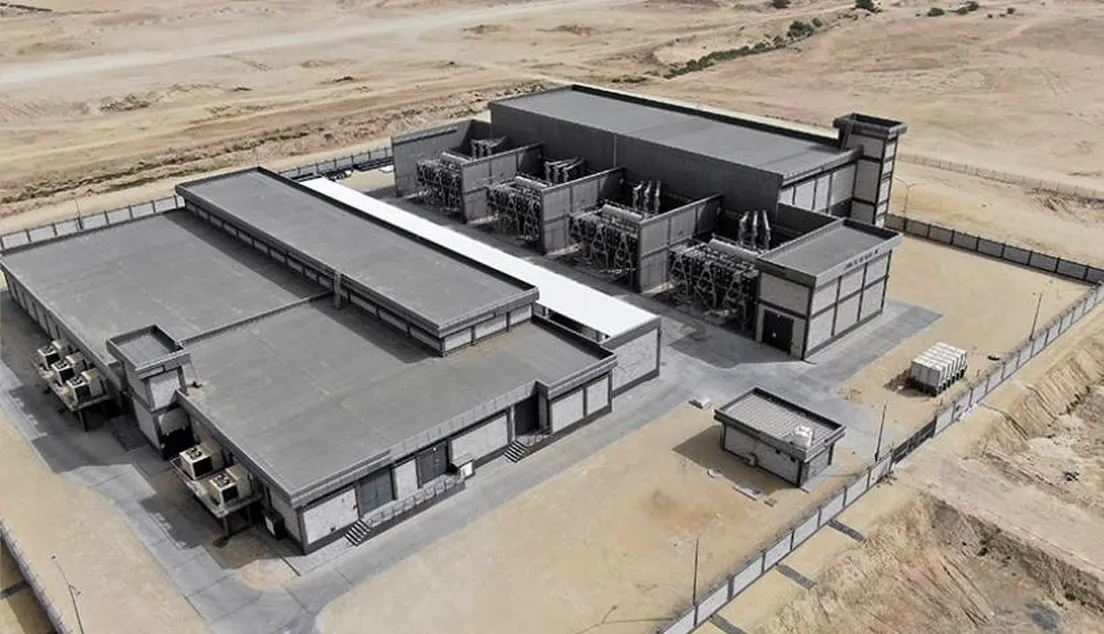
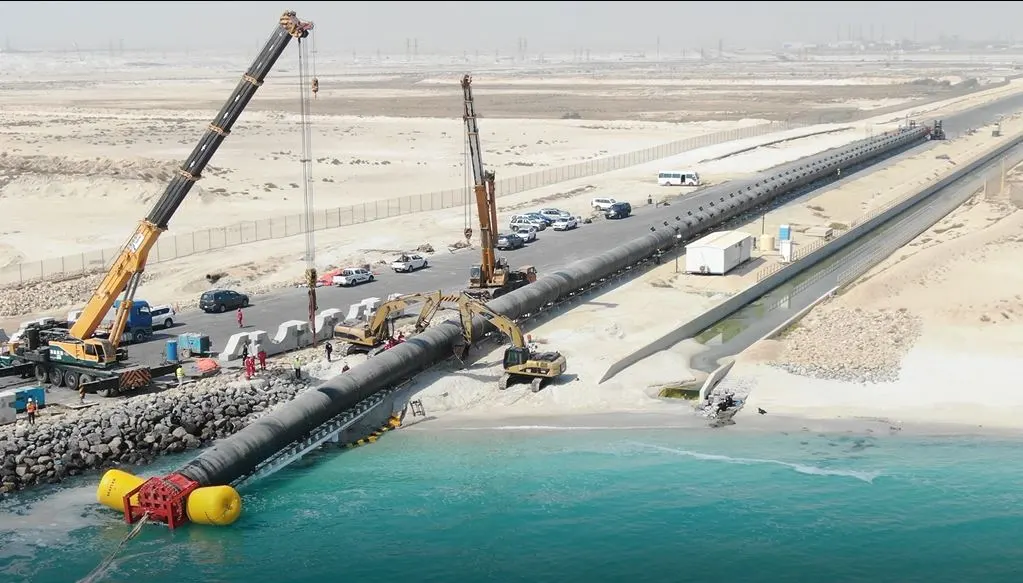
Several supporting facilities, including the Sabah Al Ahmed Wastewater Pumping Station, Umm Al Hayman treated sewage effluent pumping station and upgraded Egailah Wastewater Pumping Station, have been operational since 2024.
Designed for Future Expansion
A key feature of the project is its ability to accommodate future increases in treatment capacity. The infrastructure has been designed with potential expansion from 500,000 cubic metres per day to 700,000 cubic metres per day or more in mind.
Civil works, process units, utility corridors and pipeline infrastructure have been planned to facilitate phased expansion while reducing the need for major redesign or operational disruption. Scalable control and monitoring systems have also been incorporated into the project.
Turning Wastewater into a Resource
The project highlights the potential for wastewater treatment facilities to become more resource-efficient and sustainable. According to UAH, the plant produces treated water as well as useful byproducts, including fertiliser for agricultural applications and biogas that can contribute to its energy requirements.
The project also incorporates solar generation systems as part of its broader approach to energy efficiency and sustainability.
A Model for Future PPP Projects
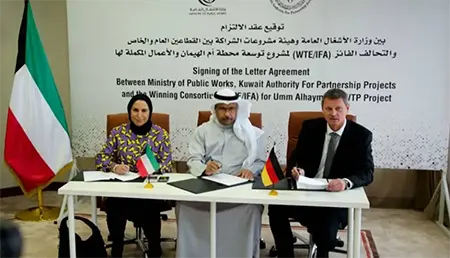
The Umm Al Hayman project is being positioned as a reference for future wastewater infrastructure developments in Kuwait. Its PPP structure demonstrates how government authorities and private-sector participants can work together to finance, develop and operate large-scale infrastructure.
The project also incorporates environmental and social considerations aligned with World Bank and IFC guidelines and is presented as supporting the objectives of Kuwait Vision 2035 and relevant UN Sustainable Development Goals.
Supporting Kuwait’s Future Infrastructure Needs
With the ability to accommodate future demand, Umm Al Hayman is intended to reduce pressure on older wastewater treatment facilities while supporting urban development in southern Kuwait.
The project demonstrates how long-term infrastructure planning, technological scalability, sustainability and private-sector participation can be integrated into major wastewater developments.
As Kuwait continues to develop its water and wastewater infrastructure, the Umm Al Hayman project provides a significant reference for future projects seeking to combine operational efficiency, environmental responsibility and scalable infrastructure solutions.